Safety Coordinator Resources
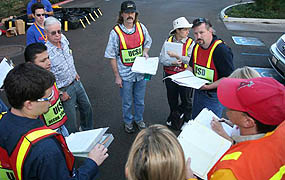
Learn how Department Safety Coordinators and Area Safety Coordinators differ, and what each group needs to know.
Training for Safety Coordinators
UC Learning Center offers two courses for Safety Coordinators.
- New Department Safety Coordinator (DSC) Orientation: Recommended for new and continuing department safety coordinators and supervisors. This course acquaints DSCs and supervisors with all areas of Environment, Health, & Safety: contacts, resources, policies, hazardous material business plan, emergency preparedness, and safety specialties. Search: “new department safety coordinator orientation”. Approximate length: 1.5 hours.
- Department Safety Coordinator Training: Highly recommended for increased knowledge of the role of Department Safety Coordinator. Hosted and facilitated by Environment, Health, & Safety staff, these on-going sessions provide attendees with a clear understanding of the role of the DSC, professional development, and a collegial atmosphere that encourages the sharing of workplace health and safety challenges and successes. Contact the EH&S safety training manager to schedule training.
- Quarterly DSC Trainings: DSCs designated in Tririga will receive invitations to quarterly Designated Department Safety Coordinator (DSC) trainings. Designated personnel should attend at least one 1-hour DSC training annually. Contact the EH&S Safety Training manager for additional information.
Emergency preparedness
Help Your Department Be Ready
Emergencies can happen without warning. Whether it's a severe weather event, earthquake, power outage, laboratory incident, or building evacuation, being prepared helps protect people, supports continuity of operations, and strengthens our ability to respond effectively.
Start with Training
Build the knowledge and skills needed to respond confidently during an emergency.
- Explore Emergency Resources.
- Consider joining the Campus Emergency Response Team (CERT) to gain hands-on emergency response skills.
Build Department Readiness
Preparedness works best when it is a shared effort.
- Establish a department emergency preparedness team or planning committee.
- Develop and maintain a Department Emergency Action Plan.
- Use the How to Develop a Department Emergency Action Plan guide to get started.
- Review the university's Emergency Preparedness resources and the Emergency Operations Plan.
Know What to Do Before an Emergency
Make sure employees understand how to respond to a variety of situations, including:
- Building evacuations
- Shelter-in-place incidents
- Earthquakes
- Chemical spills and laboratory emergencies
- Campuswide emergencies and disruptions
Post the Emergency Guide in a visible location and review response procedures regularly with your team.
Stay Connected
Timely information is critical during an emergency.
- Encourage all employees to sign up for emergency notifications.
- Check the Emergency Status page for official campus updates during incidents.
Create a Safer Workplace
Reduce potential hazards before an emergency occurs.
- Secure shelves, equipment, and other items that could become hazards during an earthquake.
- Review Reducing Workplace Earthquake Hazards for practical safety measures.
Take the Next Step
Preparedness is an ongoing process, not a one-time activity. Small actions taken today can make a significant difference during an emergency.
Questions? Contact the Emergency Management Team.
Essential EH&S staff and services
- EH&S Contacts
- Essential EH&S Phone Numbers
- PPM 516 – UC San Diego Health & Safety Policy
Fire and life safety
Ensure fire and life safety requirements are observed.
- Fire and Life Safety Resources
- Fire extinguishers and suppression:
- Corridors and evacuation:
- Campus fire safety requirements
Hazard awareness and planning
- Hazard Awareness Resources
- Integrated Safety and Environmental Management (ISEM)
- Field Operations Planner – Create customized field safety plans for UC-sponsored research or instructional field trips. Anticipate and prepare for potential risks before personnel leave on a trip.
Injury and illness reporting
Learn about injury and illness reporting and the Workers' Compensation Program.
- Read What to Do if a Work-Related Injury or Illness Occurs.
- Learn how to access and understand the Workers' Compensation Program.
Questions? Contact the EH&S Workers' Compensation Office, (858) 822-2979.
Odors and indoor environment
Know how to respond and solve indoor environmental concerns.
- See Indoor Environment for appropriate points of contact for various indoor environmental concerns.
- Read Preventing Indoor Mold Growth.
- Odor complaints are among the most common calls you'll receive. Read What's That Smell? to learn about common and possible sources of troublesome (though not alarming) odors in the workplace and what you can do about them.
Report safety concerns to EH&S
- Use the online Safety Concern form to report a health or safety issue at UC San Diego.
- Or, to report a safety concern anonymously, call (858) 534-3660.
Safety resources
Use Blink search to find information fast or use Blink's Safety tab. Consult the main menus and resource listings:
Safety training for employees
Ensure everyone (including yourself) attends required safety training.
- Use the Safety Training menu to learn about required and recommended safety training for the kind of work your group performs.
- Read Safety Training Checklist for Supervisors for a discussion of safety training responsibilities.
- Document all safety training.
- Read About Safety Training for information about record keeping requirements and accessing the online safety training records.
- Implement the Hazard Communication Program in your department.
- Teach employees who work with hazardous materials how to access and use Safety Data Sheets (formerly called Material Safety Data Sheets).
Questions? Contact the EH&S safety training manager.