Hazard and Caution Signs
Learn about hazard and caution signs you may see at UC San Diego and what they mean.
Hazard and caution signs identify facilities where work involves hazardous chemicals, infectious biological agents, radioactive materials, or equipment such as lasers, high voltage systems, or powerful magnets. These materials and equipment are generally controlled and contained, and their hazards minimized.
Do not enter an area with a sign that warns against unauthorized entry or says Keep Out, unless specifically authorized to do so. Hazardous materials and equipment must be secured or removed from UC San Diego facilities before service or construction work may begin.
Biohazard
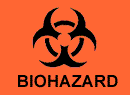
Biohazard signs
Biohazard signs feature the biohazard symbol (black on orange is common) to indicate the use of infectious agents. Containment of biohazardous material is strictly regulated, and researchers are trained to disinfect work areas after use.
- See the UC San Diego Biosafety Program for more information.
Biosafety Level Signs
BSL signs posted at a facility entrance specify the biosafety level (BSL) of containment and operational precautions observed within.
A facility may be BSL 1, 2, or 3, with 3 being the highest level of precautions. BSL 3 labs are rare at UC San Diego. Unauthorized entry into BSL 3 labs is prohibited.
- See the Biosafety Level (BSL) Practices Chart for UC San Diego's laboratory containment requirements and practices.
Carcinogen
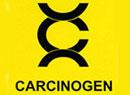
Carcinogen signs indicate the use of known human carcinogens.
Carcinogens are strictly regulated and are generally well-contained. Researchers are trained to carefully identify where carcinogens are being used and to decontaminate work areas after their use.
- See Chemical Carcinogens for more information.
Fall protection
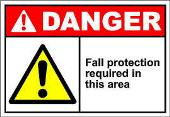
Fall hazards exist when you see this sign declaring that fall protection is required to enter the work area.
- See the Fall Protection Program for more information.
Hazardous waste

Hazardous waste signs identify collection areas for hazardous wastes. Treat hazardous waste containers with the same caution used for other stored chemicals and hazardous materials.
- Learn more about Hazardous Waste management at UC San Diego.
High voltage
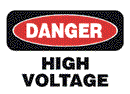
High voltage signs signal a sustained voltage of more than 600 volts. High voltage systems may be accessed only by a qualified electrician.
- See Electrical Safety Guidelines for more information.
Laboratory Room Sign
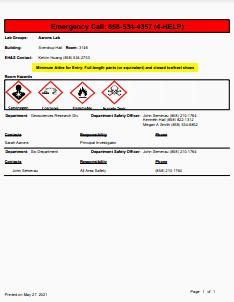 All labs must have a Laboratory Room Sign posted outside of the entrance. This sign details the primary contacts for the lab, room hazards and responsible persons.
Color print a sign using My Research Safety in the Lab Locations section (look for the Room Sign PDF icon).
This sign must be updated anytime users change locations and/or posted hazards change. Room signs need to be printed in color. Internal rooms with additional hazards (or change in hazard from outer lab) must also have a room sign.
Laboratory Clean Area
Eating, drinking, food storage, application of cosmetics, and handling of contact lenses in research laboratories is permitted only in approved, posted Clean Areas.
Clean Areas are not permitted in rooms where Aerosol Transmissible Pathogens are manipulated or rooms approved at biosafety level 2+ or 3.
- See Laboratory Clean Areas for more information.
Laser

Laser signs indicate the presence of high energy laser equipment. Unauthorized entry is prohibited. Appropriate eye protection may be required.
- See the UC San Diego Laser Safety Program for more information.
Lockout/ Tagout
Lockout/ tagout (LOTO) practices ensure that all energy sources are disengaged or blocked, and that electrical sources are de-energized and locked in the "off" position during work or repair.
This sign is posted by machines, systems, or equipment that require LOTO procedures.
- See the UC San Diego Lockout/ Tagout Program for more information.
Magnetic field

Magnetic field signs designate facilities housing large research magnets that create a powerful static magnetic field.
Unauthorized entry is prohibited.
People with cardiac pacemakers or other implanted medical devices should keep out. Check with your physician if you have questions about working in the vicinity of powerful magnets.
- See Magnet Safety Guidelines for Researchers for more information.
Radiation
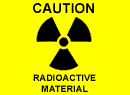
Radiation signs indicate that the room contains certain quantities of radioactive material. Strict requirements govern use, storage, and disposal of radioactive materials and equipment. All labs are regularly checked by laboratory staff and Environment, Health & Safety (EH&S) to make sure they are not contaminated.
- See the UC San Diego Radiation Safety Program for more information.
Clearance tags
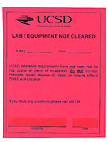
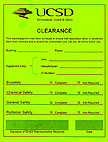
Clearance tags communicate whether a vacated facility has or has not been cleared for entry. (When a research group vacates a laboratory, EH&S performs a clearance survey to ensure hazards are not left behind.)
- A red clearance tag indicates EH&S clearance procedures are in progress. It is safe for custodians to enter and empty regular trash, but not for trades employees to begin work.
- A green clearance tag, posted after hazards are removed, indicates the facility is safe for trades employees to enter and begin work. Green clearance tags are also used on decontaminated equipment.
Report hidden hazards discovered after work begins (such as broken glass, needles, or small amounts of mercury metal in drain traps) to your supervisor or the responsible Department Safety Coordinator (DSC). Do not resume work until the hazard has been corrected.
- See Decontamination Clearance for Equipment or Facilities for more information.